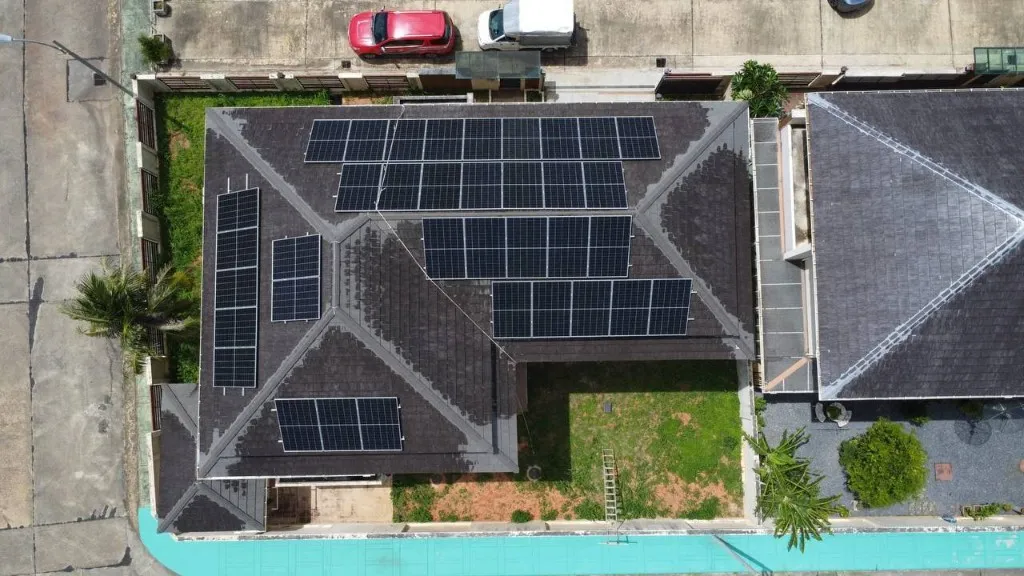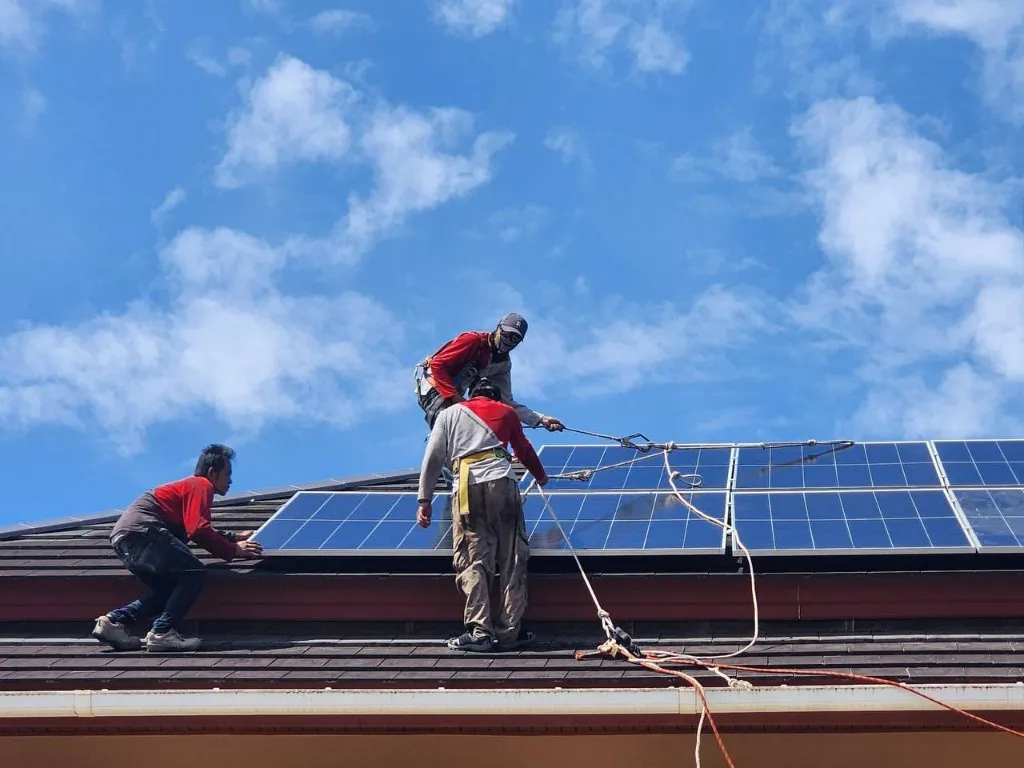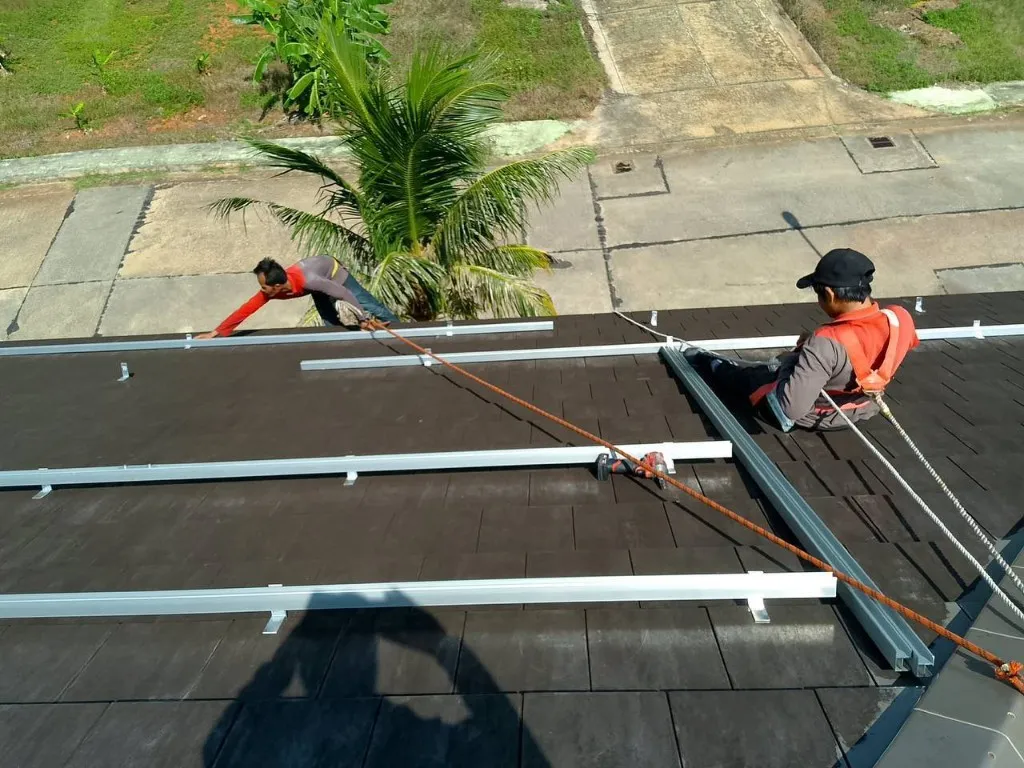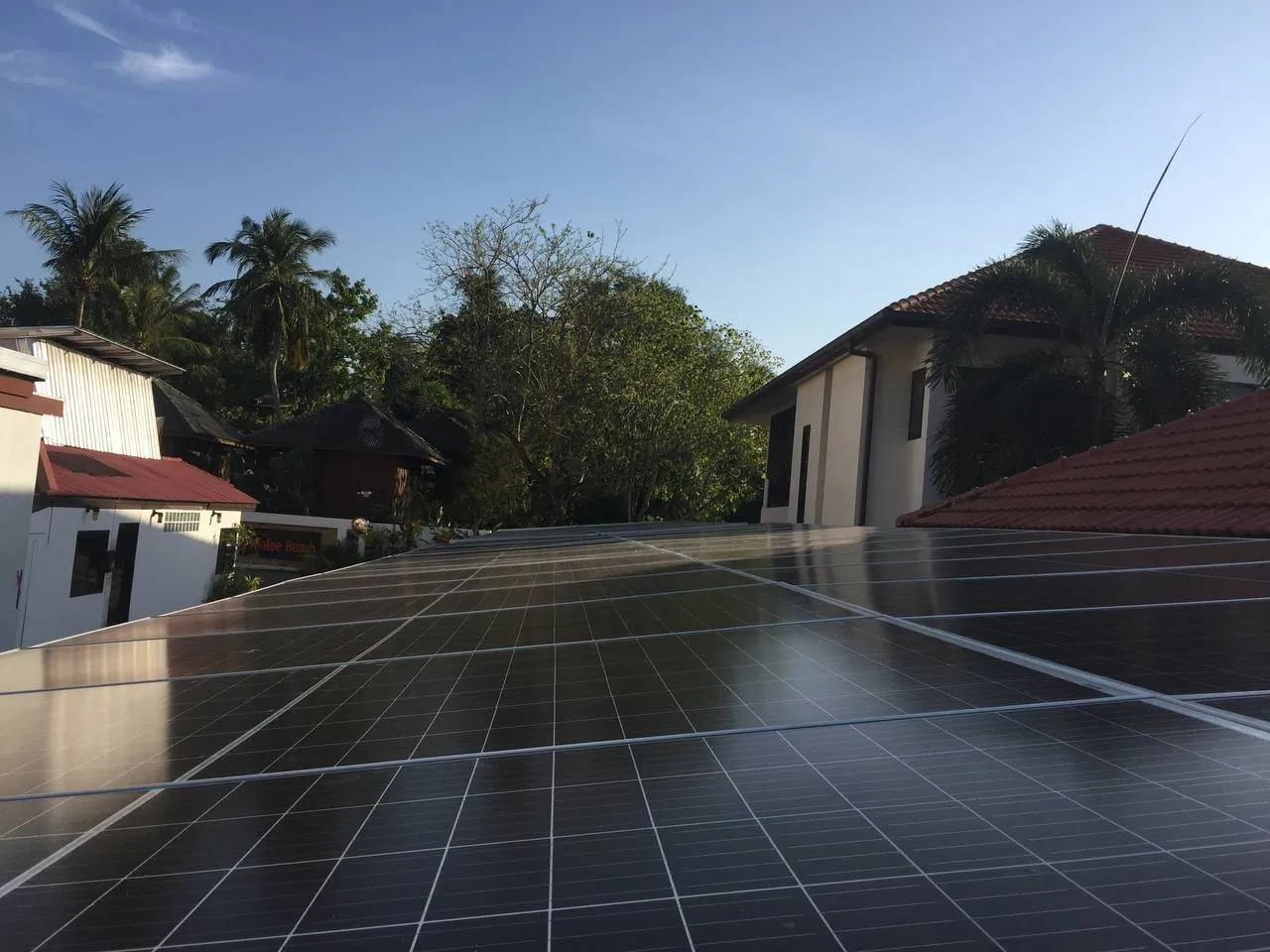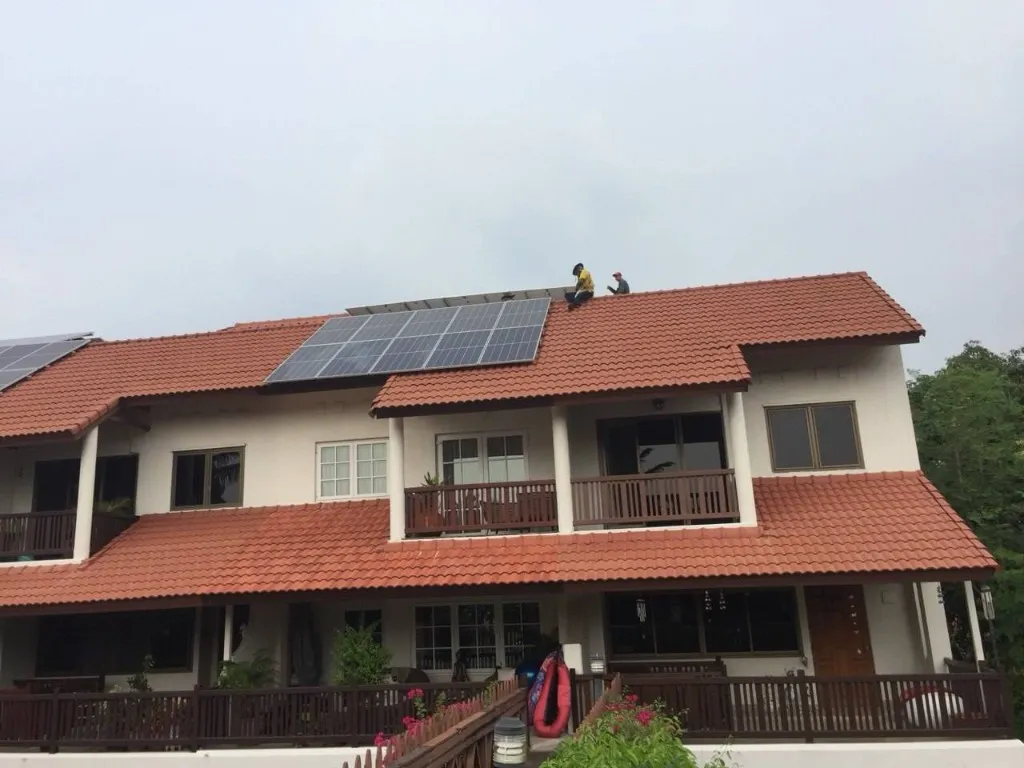
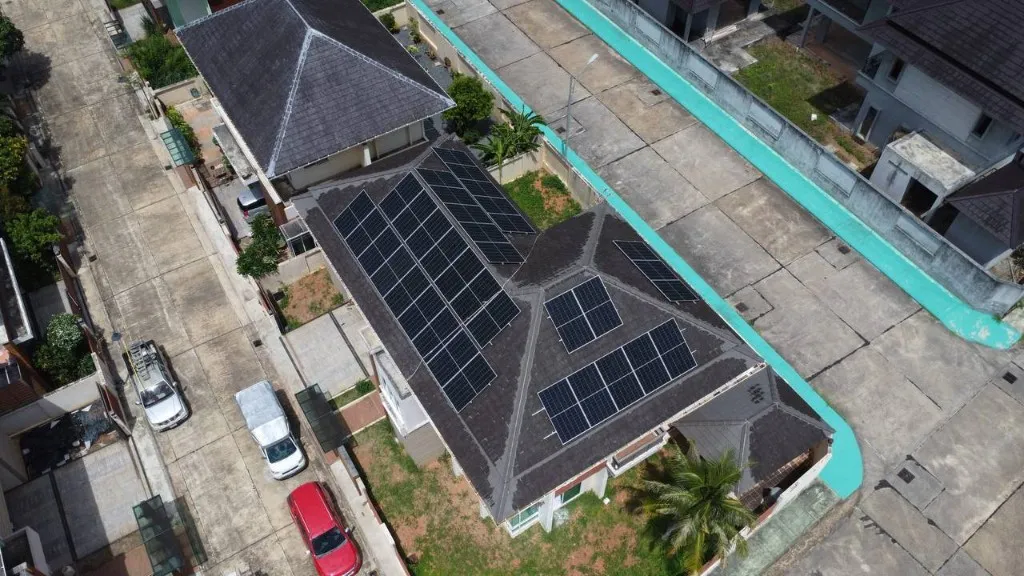
For this residential villa in Krabi, Thailand, the customer wanted more than just solar panels.
The main goals were to reduce electricity purchased from the grid, maximize solar use during the daytime, store part of the available solar energy for evening consumption, and have reliable backup power during grid outages — particularly during the rainy season.
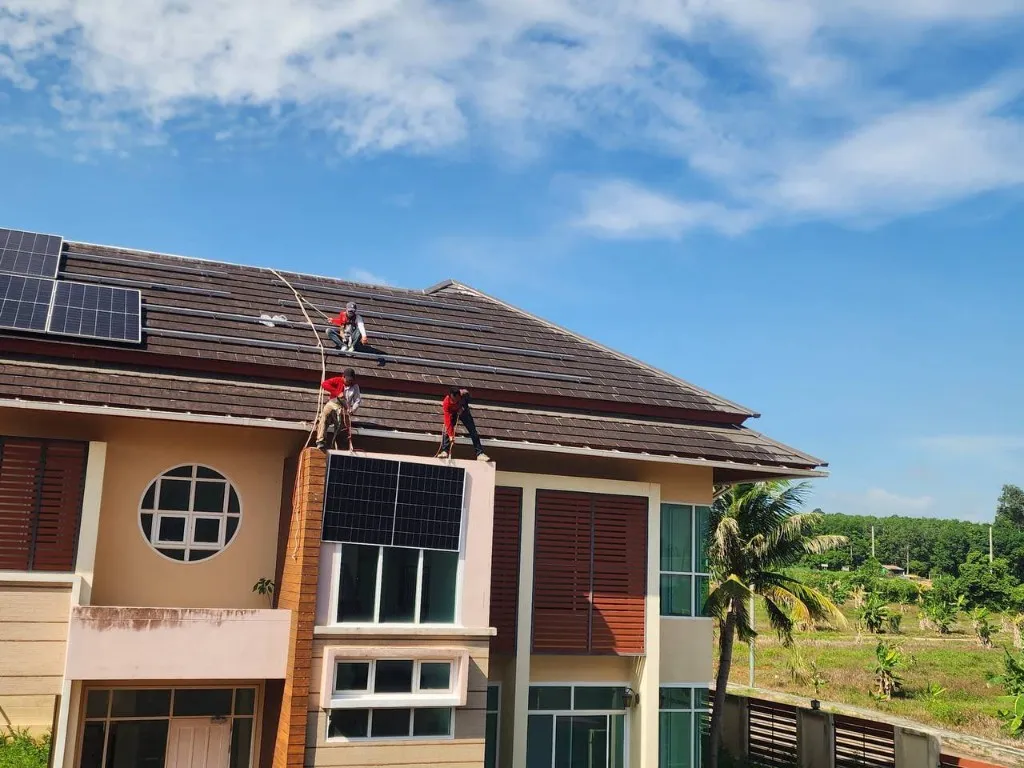
After reviewing the property, electricity-consumption information and the customer’s actual load requirements, Thai Solar Power designed and installed a 23.22 kWp hybrid solar system with 20.48 kWh of BYD battery storage.
The Customer’s Requirements
The customer first contacted Thai Solar Power through our Get a Quote form.
Rather than immediately proposing a standard package, we continued the discussion by email and asked for more information about the property and electricity usage. The customer provided photos of the villa, explained the main electrical loads and later shared detailed PEA electricity-consumption data in Excel.
From those discussions, three priorities became clear:
- Reduce electricity purchased from the grid
- Use as much solar energy as possible during the day and evening
- Maintain backup power for important loads during grid outages
This information was important because the best system is not simply the biggest solar or battery system available. It should match how the property actually uses electricity.
Understanding the Villa’s Electricity Consumption
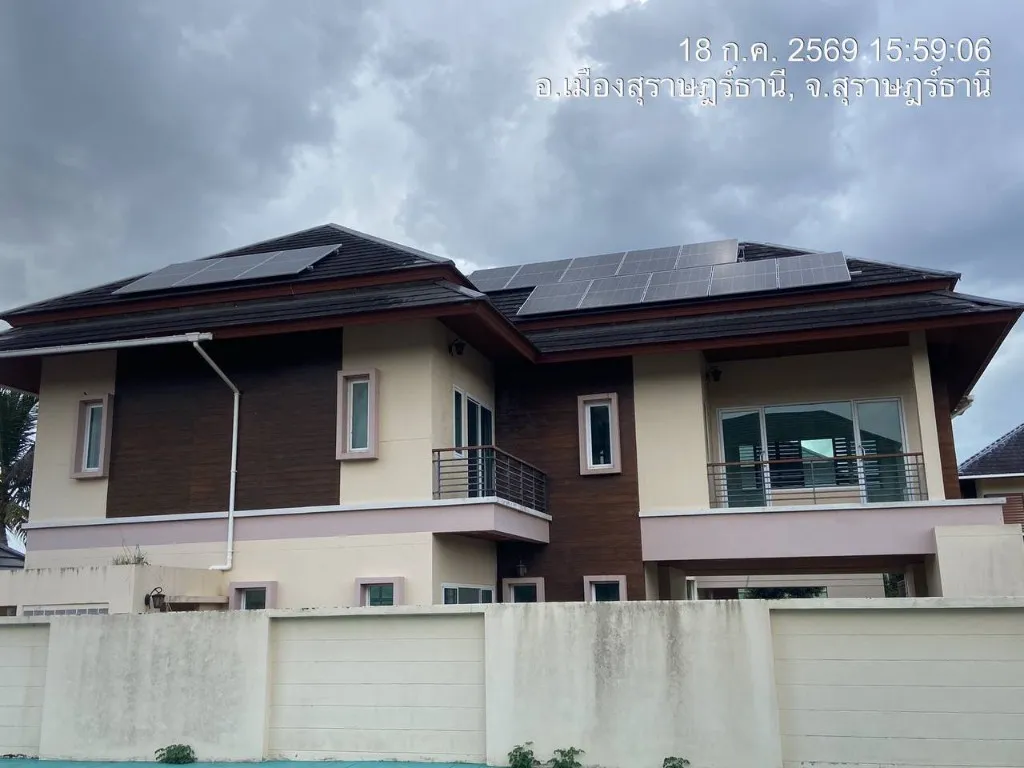
The villa’s electricity usage was approximately 60% during the daytime and 40% during the evening and night. That made the property well suited to solar.
A large portion of the solar generation could be consumed directly during daylight hours, while battery storage could support part of the evening consumption.
The customer’s PEA data and explanation of when major loads were operating helped us size the system around the real consumption pattern rather than relying only on an estimated monthly electricity bill.
The 23.22 kWp solar array was designed to cover a large proportion of the villa’s daytime electricity demand during good solar conditions. Actual production and grid savings will always vary depending on weather, season, shading, consumption patterns, battery operation and system settings.
The Hybrid Solar Solution
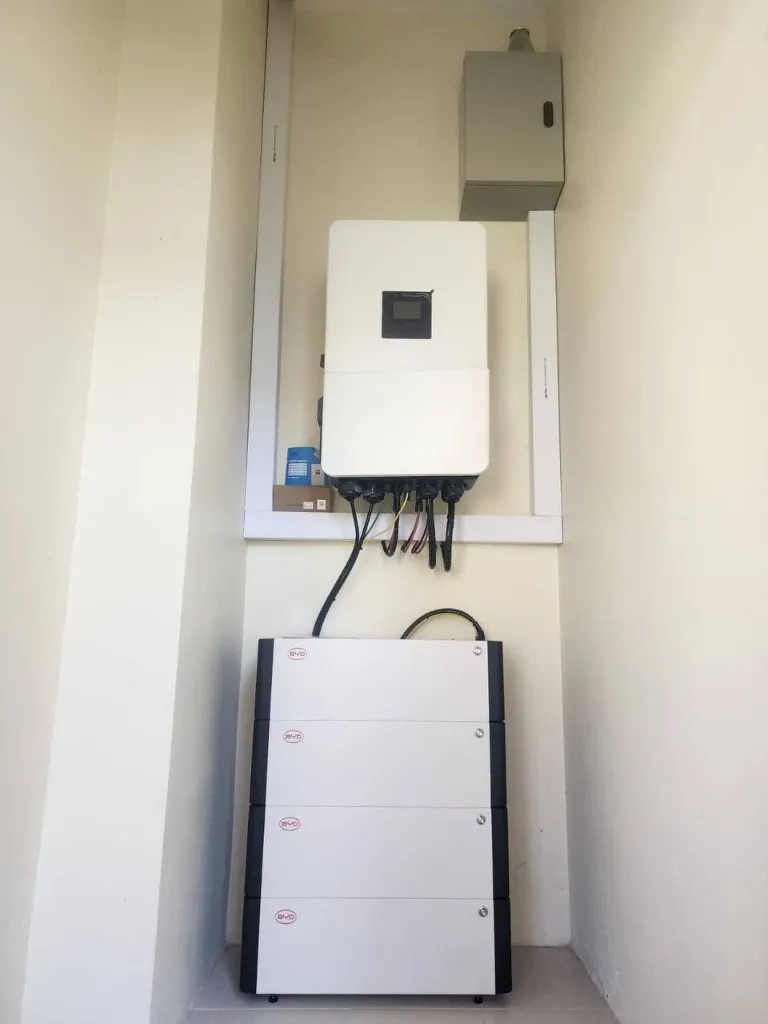
The final system consisted of:
- 36 × AIKO 645 W solar panels
- 23.22 kWp total installed PV capacity
- 20 kW Deye three-phase low-voltage hybrid inverter
- 4 × BYD Battery-Box LV5.0+ batteries
- Approximately 20.48 kWh combined usable battery capacity
Each BYD Battery-Box LV5.0+ is rated at 5.12 kWh usable energy. BYD specifies the battery for applications including on-grid, on-grid with backup and off-grid systems.
The inverter, battery and solar array were selected as one complete system rather than treating each component separately.
Why We Recommended a Hybrid System
An on-grid solar system could have helped reduce the customer’s electricity bill, but it would not fully address the other project requirements.
This customer also wanted to use stored solar energy in the evening and maintain selected loads during grid outages. For that reason, a hybrid solar system was the more suitable solution.
We do not recommend batteries simply because they are available or because they increase the project size. In this case, the customer had a genuine use for battery storage: evening energy support and backup power.
For homeowners trying to decide whether storage is necessary, our related Insight Do You Really Need a Solar Battery in Thailand? explains when a battery makes sense and when a simpler on-grid system may be enough.
Backup Power for Essential Loads
The backup system was not designed to unnecessarily operate every appliance in the villa during an outage. Instead, the customer identified the loads that were most important:
- Internet and Wi-Fi
- Lighting
- One air conditioner
- Fan
- Computer and TV
This allowed the system to focus available battery capacity on the loads the customer actually wanted to keep running. Correct backup design is important because powering essential circuits is very different from trying to operate an entire large villa during a grid outage.
Installation Completed in 3 Days
The installation was completed in approximately three days (with almost one month of project discussion beforehand).
As a full-service solar EPC contractor, Thai Solar Power manages the project as a complete system — from understanding the customer’s requirements and system design through equipment supply, installation and commissioning.
The equipment used in this project also gives us useful internal connections for future Product pages covering AIKO solar panels, Deye hybrid inverters and BYD Battery-Box systems.
For more information about the battery technology we normally prefer for modern residential storage, see Why We Prefer LFP Batteries for Home Solar in Thailand.
Why Clear Customer Communication Matters
One of the most important parts of this Krabi project was not a specific panel, inverter or battery. It was the communication with the customer.
By sharing consumption data, property information, load timing and clear backup expectations, the customer gave us the information needed to design a system around the villa’s real requirements.
That is the approach we prefer at Thai Solar Power: the right system starts with understanding what the customer actually needs.
Planning a Hybrid Solar System?
Planning a hybrid solar system for your villa or home in Thailand? Send Thai Solar Power your electricity bill, location and energy requirements through our Get a Quote form. We can review your consumption and recommend a system based on your actual needs.