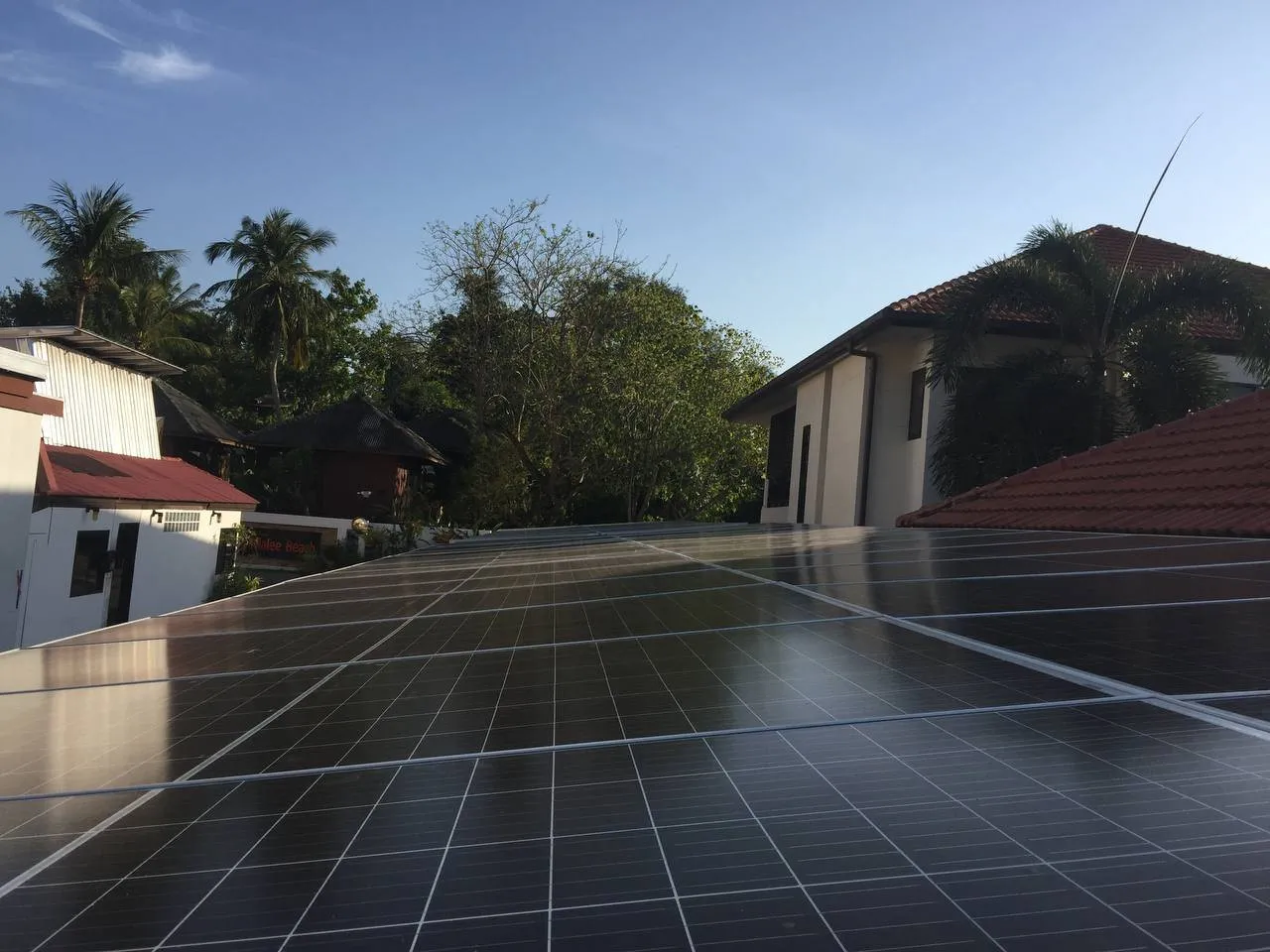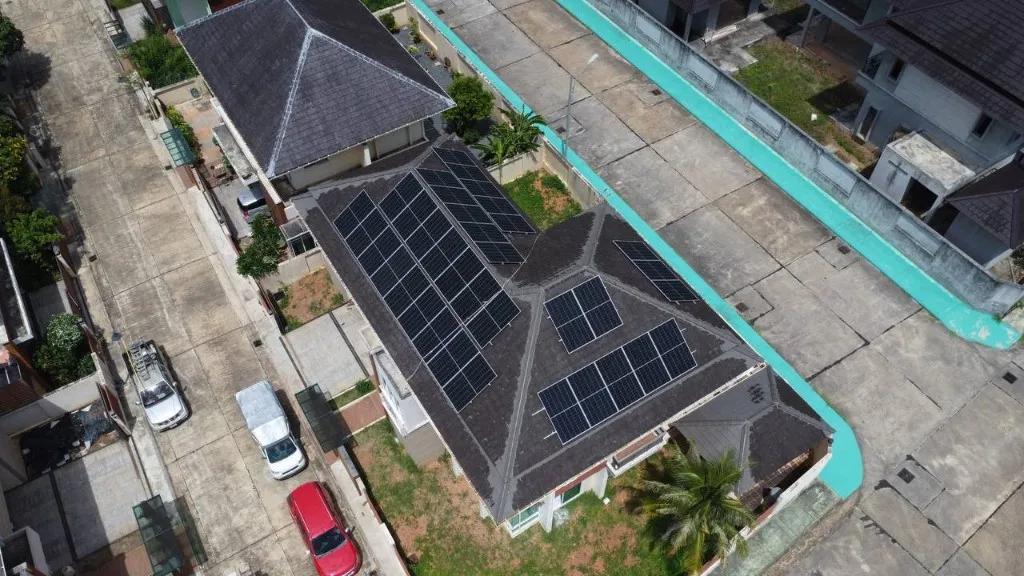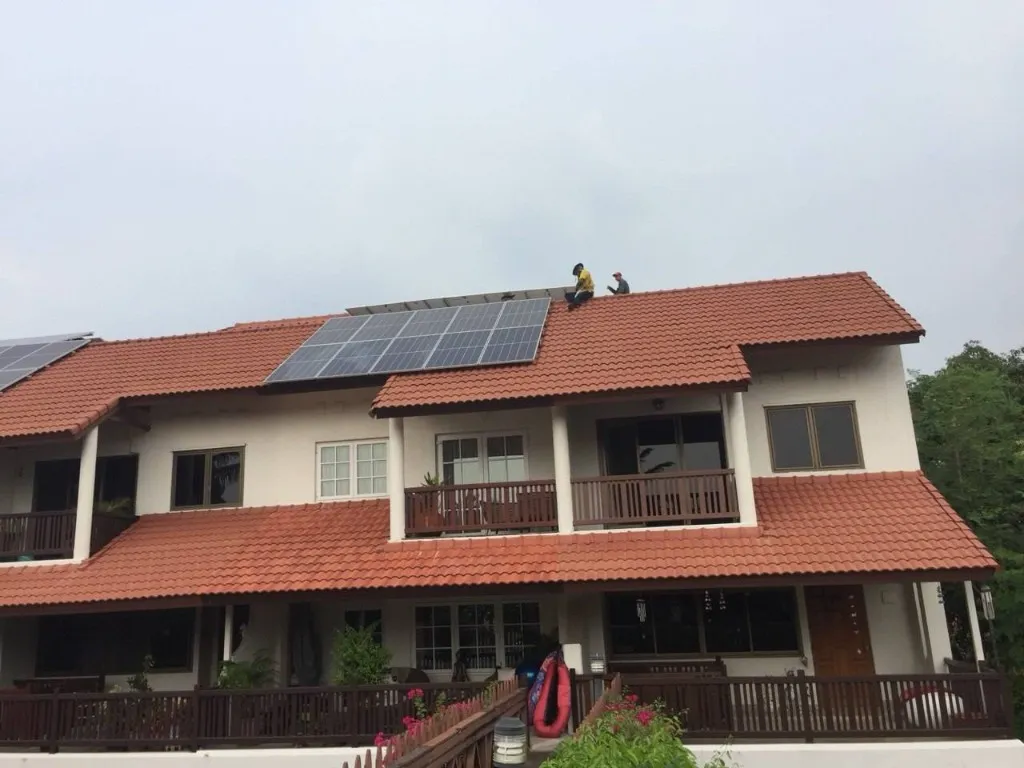
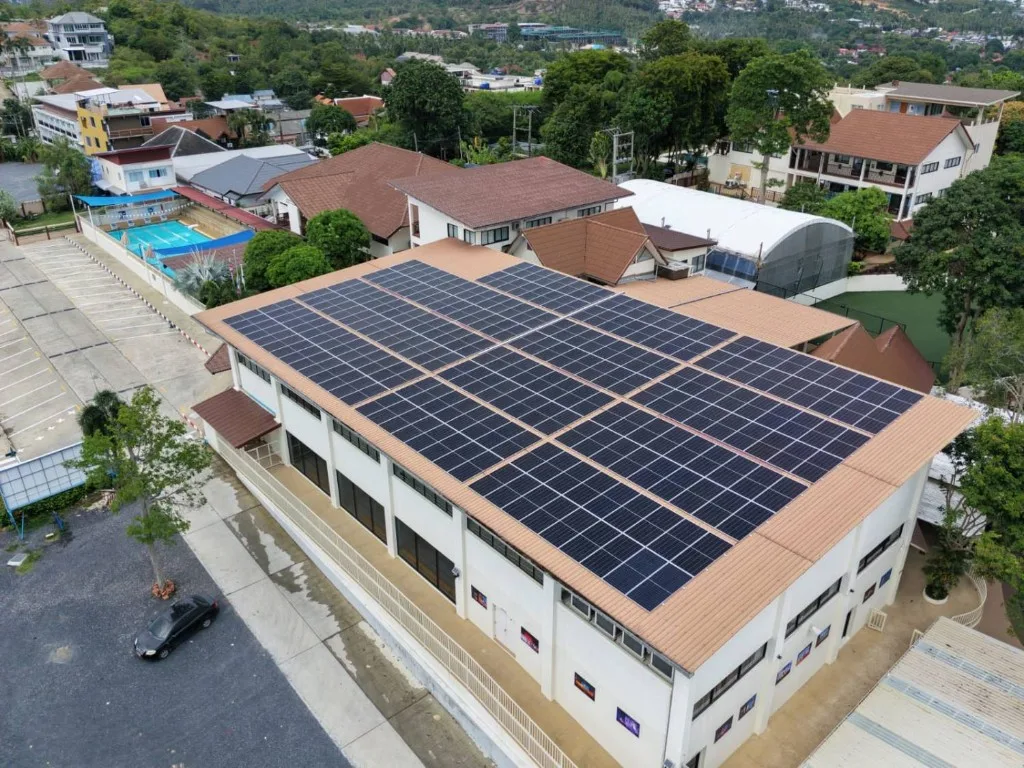
153.4 kWp Solar PV | 160 kW Hybrid Inverters | 160 kWh Battery Storage | Diesel Generator Backup
When the Grid Goes Down, a School Still Needs Electricity
What happens when a school has high electricity demand, limited space for solar panels, frequent grid outages, and a restricted budget?
That was the challenge we faced with a school project in Koh Samui, Thailand.
Installing enough solar panels to cover the school's entire electricity consumption was not possible. But the school still needed a practical way to reduce electricity costs and keep essential operations running during outages.
Our solution was not simply more solar panels. It was a hybrid power system combining solar, battery storage, and an existing diesel generator.
The Challenge: Four Problems, One Practical Solution
The project had four important constraints:
- High electricity demand: The school uses significantly more electricity than the available solar installation area could support.
- Grid outages: Essential school operations needed backup electricity when utility power was unavailable.
- Limited installation space: There was not enough suitable space to install solar panels for the school's full consumption.
- Limited budget: The solution had to prioritize the school's most important electrical requirements.
Rather than promising 100% solar coverage, we designed a system suited to the actual operating conditions.
The solar installation was intended to contribute approximately 20–25% of the school's electricity needs, with battery storage and generator backup addressing the separate challenge of power interruptions.
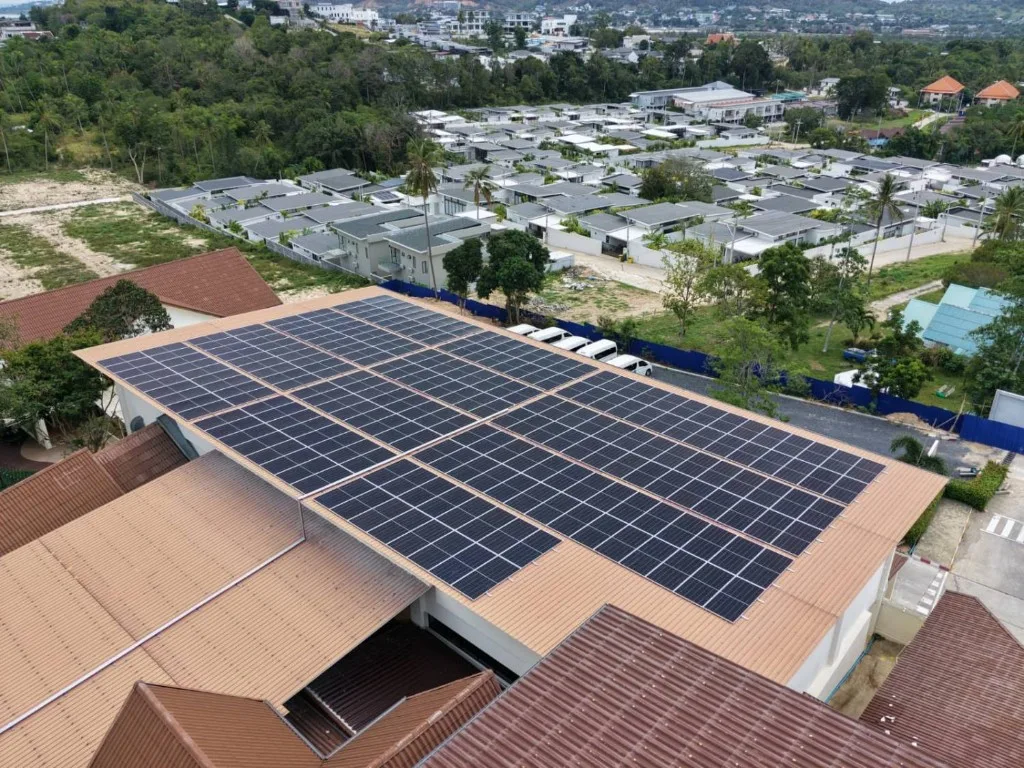
The Completed Solar and Battery System
Thai Solar Power completed the project using the following configuration:
| Component | Installed equipment |
|---|---|
| Solar panels | 236 × 650 Wp |
| Installed solar capacity | 153.4 kWp DC |
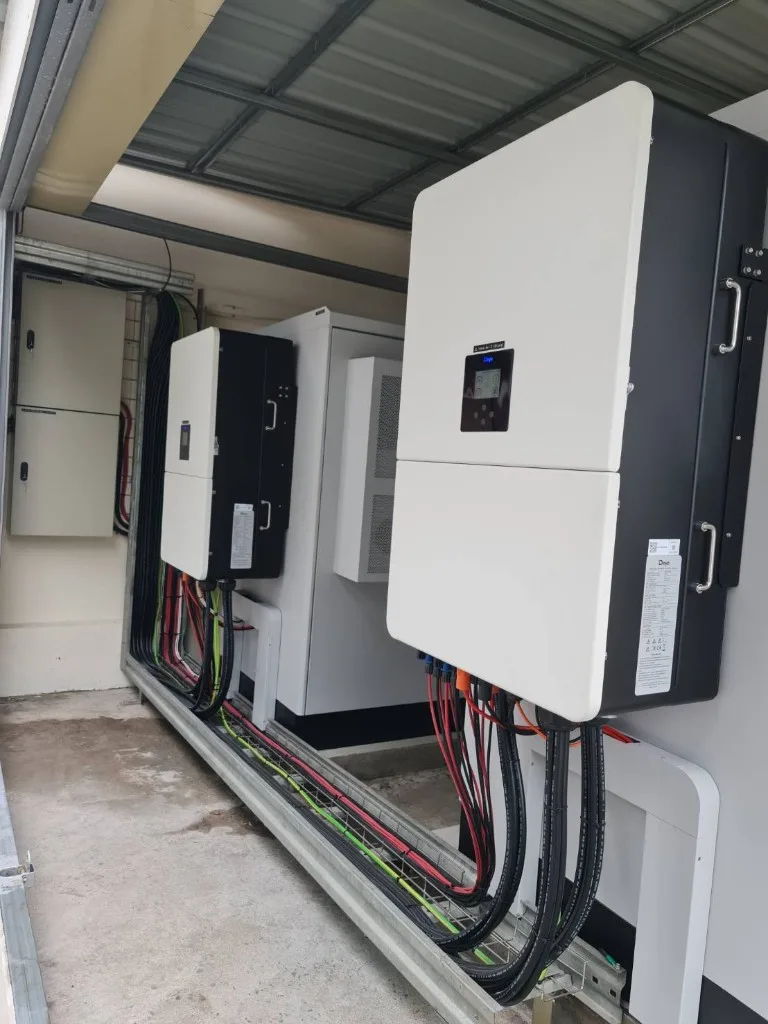
| Hybrid inverters | 2 × Deye 80 kW three-phase |
| Total inverter capacity | 160 kW AC |
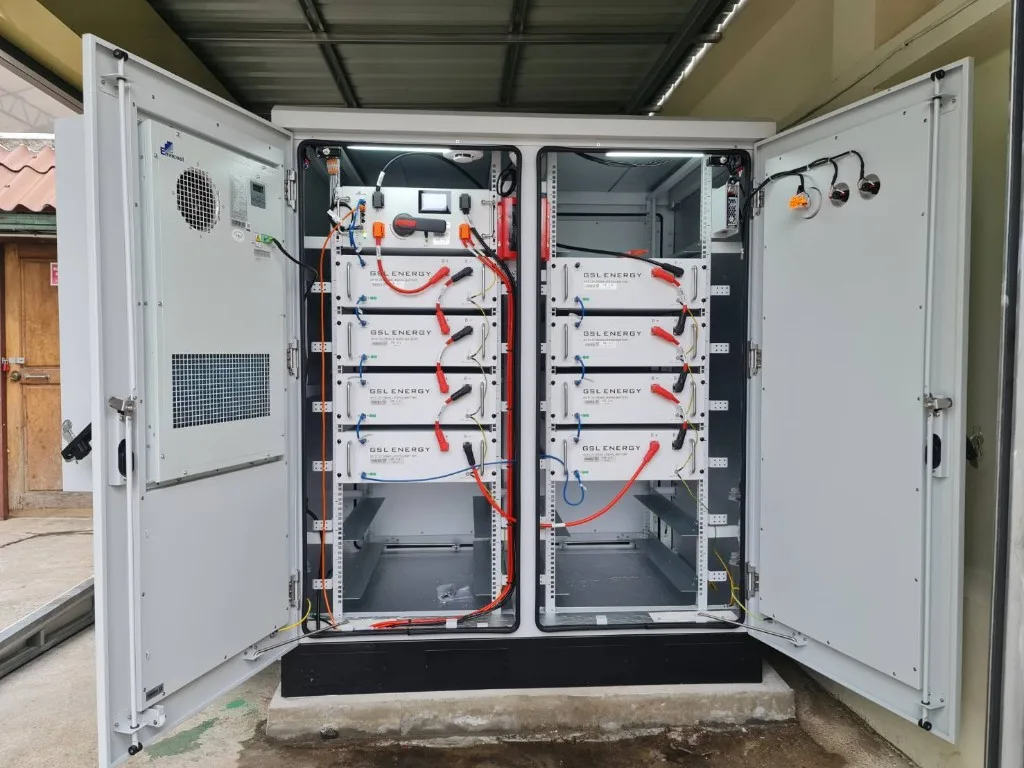
| Battery storage | 160 kWh GSL Energy |
| Battery configuration | 2 × 80 kWh cabinets |
| Battery thermal management | Integrated air cooling |
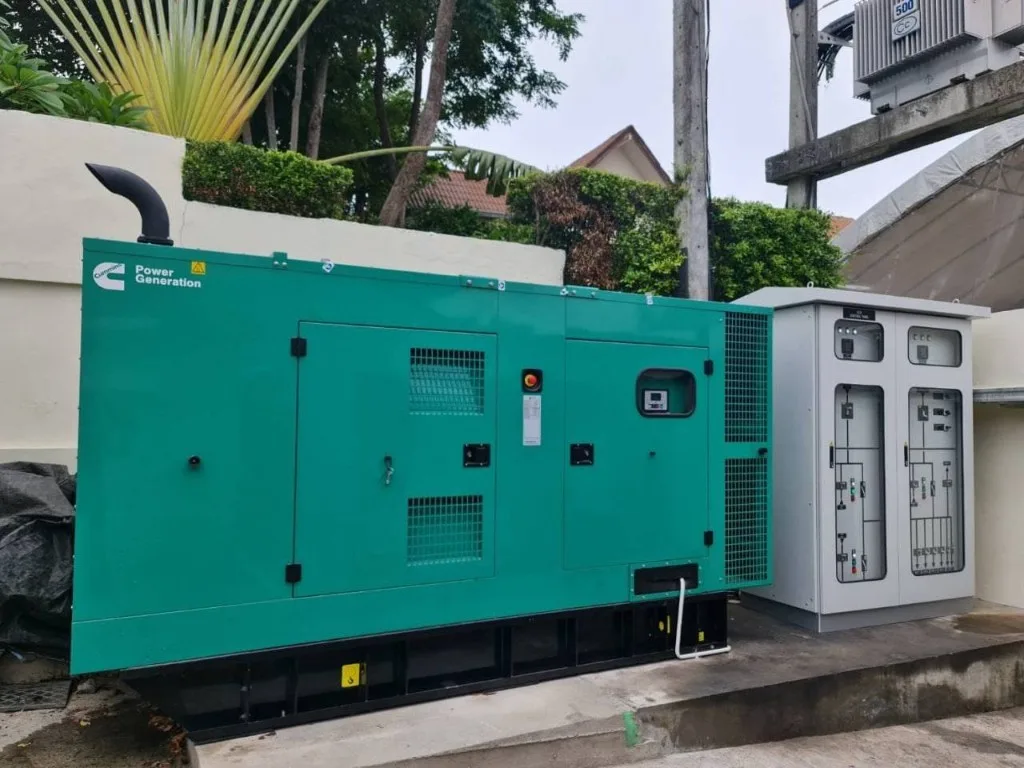
| Additional backup | Diesel generator |
| Project location | Koh Samui, Thailand |
| Project status | Completed |
During normal operation, solar generation helps reduce electricity purchased from the grid.
When grid power is lost, the solar and battery system supports designated backup loads. The diesel generator works with the hybrid system when additional power or extended backup support is required.
This gives the school a more flexible energy system instead of depending on the grid alone.
The Most Important Question: What Must Stay Powered?
Before choosing a battery, an essential question needs answering:
Which electrical loads actually need to operate during an outage?
For a school, these could include selected lighting, communications, computers, essential classrooms, security systems, or other important equipment.
The answer depends on the school's specific operations.
A battery system designed to support every air conditioner, pump, and electrical appliance may be unnecessarily expensive.
By identifying critical loads and their actual power requirements, it becomes possible to design a more practical backup system.
That means considering both the instantaneous power needed in kilowatts (kW) and the stored energy needed in kilowatt-hours (kWh).
A 160 kWh battery does not automatically mean 160 kW of backup power for one hour. Actual backup duration depends on the connected loads, usable battery capacity, equipment limits, and operating conditions.
Why Battery Cooling Matters in Thailand
One of the most important decisions on this project was selecting battery cabinets with dedicated air cooling.
Thailand's hot climate can be demanding for commercial battery energy storage systems.
Excessive battery temperatures can accelerate degradation, affect performance, and increase operational risks.
For the Koh Samui school, we installed two GSL 80 kWh air-cooled battery cabinets rather than a basic battery rack arrangement without an appropriately designed cooling system.
This choice helps manage battery operating temperatures and supports reliable long-term operation.
Battery racks are not inherently unsafe, but simply installing batteries in a rack without considering ambient temperature, cooling, ventilation, and electrical protection is not a sound engineering approach.
For commercial battery systems in Thailand, thermal management must be designed properly from the beginning—not treated as an optional accessory.
Why We Combined Solar, Battery, and a Diesel Generator
Each part of the system has a different responsibility.
Solar PV helps offset daytime grid electricity consumption and can contribute energy during backup operation when conditions permit.
Battery storage provides energy to support the school's designated loads when utility power is unavailable.
The diesel generator provides additional backup support when solar and stored battery energy are insufficient for the required load or duration.
By combining these sources through a coordinated hybrid design, the school gains a practical approach to managing both electricity costs and supply interruptions.
Importantly, the system was designed around the site's real constraints rather than an unrealistic promise of complete energy independence.
What Other Commercial Customers Can Learn
This project is not only relevant to schools.
Similar challenges affect hotels, resorts, factories, warehouses, offices, and other commercial buildings across Thailand.
Large electrical loads do not always mean that the customer needs the largest possible solar installation.
Sometimes available roof space is limited. Sometimes a facility cannot afford a battery large enough for every load. And sometimes backup reliability matters just as much as electricity savings.
A successful commercial energy project begins with understanding:
- The site's actual electricity consumption and critical loads
- Available solar installation space
- Frequency and duration of grid outages
- Required backup power and operating duration
- Battery cooling, installation environment, and safety
- Budget, equipment compatibility, and long-term maintenance
The right system is the one that fits the business—not simply the biggest system someone can sell.
Planning Commercial Solar and Battery Backup in Thailand?
Thai Solar Power provides solar EPC, hybrid energy storage, and backup power solutions for commercial and residential properties.
Whether you operate a school, hotel, resort, factory, or warehouse, we can help evaluate your electricity consumption, grid reliability, and backup requirements.
Get a Solar & Battery System Recommendation
Or email office@thaisolarpower.com.
Thai Solar Power — Practical Solar EPC and Battery Storage Solutions in Thailand.